Twinning of master’s students between KI and Makerere University
The twinning initiative connects one master’s student from KI and one from Makerere University to work on a shared research project. The students conduct complementary thesis projects under joint supervision from faculty at both universities, fostering academic collaboration and mutual learning.
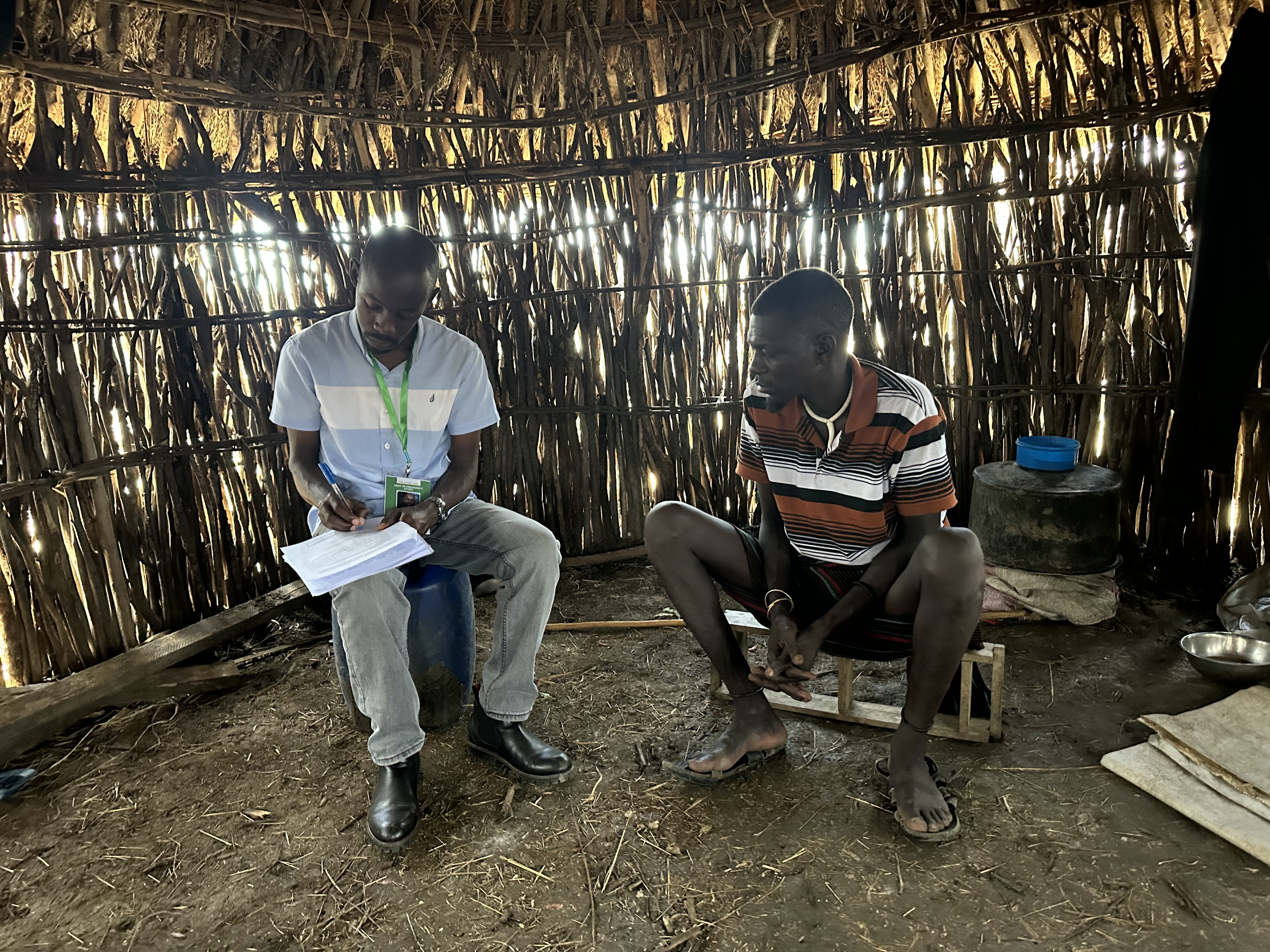
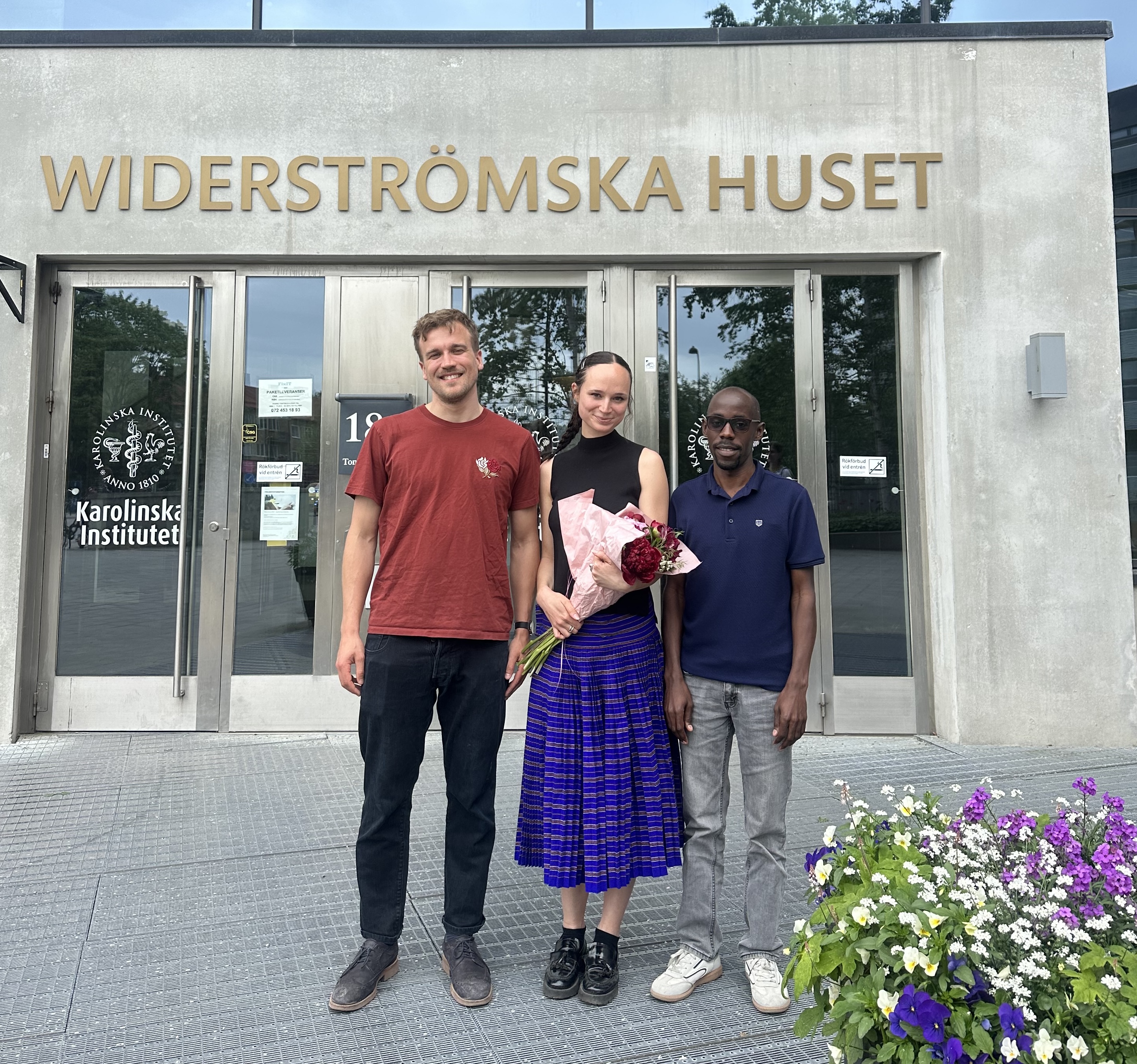
Last semester (spring 2026), a KI student and a Makerere student collaborated on a study exploring women’s and midwives’ experiences of heat during pregnancy and heatwaves, as well as heat-health adaptation strategies. The students collected data together in Uganda, subsequently met at KI to jointly analyse the data, and participated in shared supervision sessions. While each student produced an individual master’s thesis, their work was closely linked and addressed complementary aspects of the same research project.
To facilitate equitable exchange, funding was secured to first enable the KI student to conduct fieldwork in Uganda, and to allow for the Makerere student to work on write-up in Sweden. A dedicated course structure was established for the Makerere student through the Public Health program, allowing academic credit transfer. This has helped establish a structure for two-way student mobility, making collaboration between the universities smoother while ensuring that both institutions benefit from the exchange.
The students have successfully defended their respective theses and been able to jointly and individually present at the SFOepi conference at Karolinska Institutet, the Swedish Climate Symposium in Lund, and the International Society of Environmental Epidemiology conference in Munich. An abstract has been submitted to the Planetary Health Annual Meeting 2027 in Tokyo. The participating students have expressed high satisfaction with the experience. Building on this experience, the twinning model will continue in the new academic year 2026/27 within the same research area, focusing on an intervention related to heat and maternal health. As before, the project will involve one student from each university and joint supervision from both institutions.
While it was initially implemented within the Public Health program, this year it will involve both the Global Health and Public Health programs within the Department of Global Public Health. Looking ahead, the model could be expanded to include additional countries and academic programs.