Digital Advances in Stroke Rehabilitation in Uganda
Research Dissemination Conference: 20 Years of Collaboration
12 November 2025 • Makerere University, Uganda
Venue: MakSPH Auditorium, Main Campus
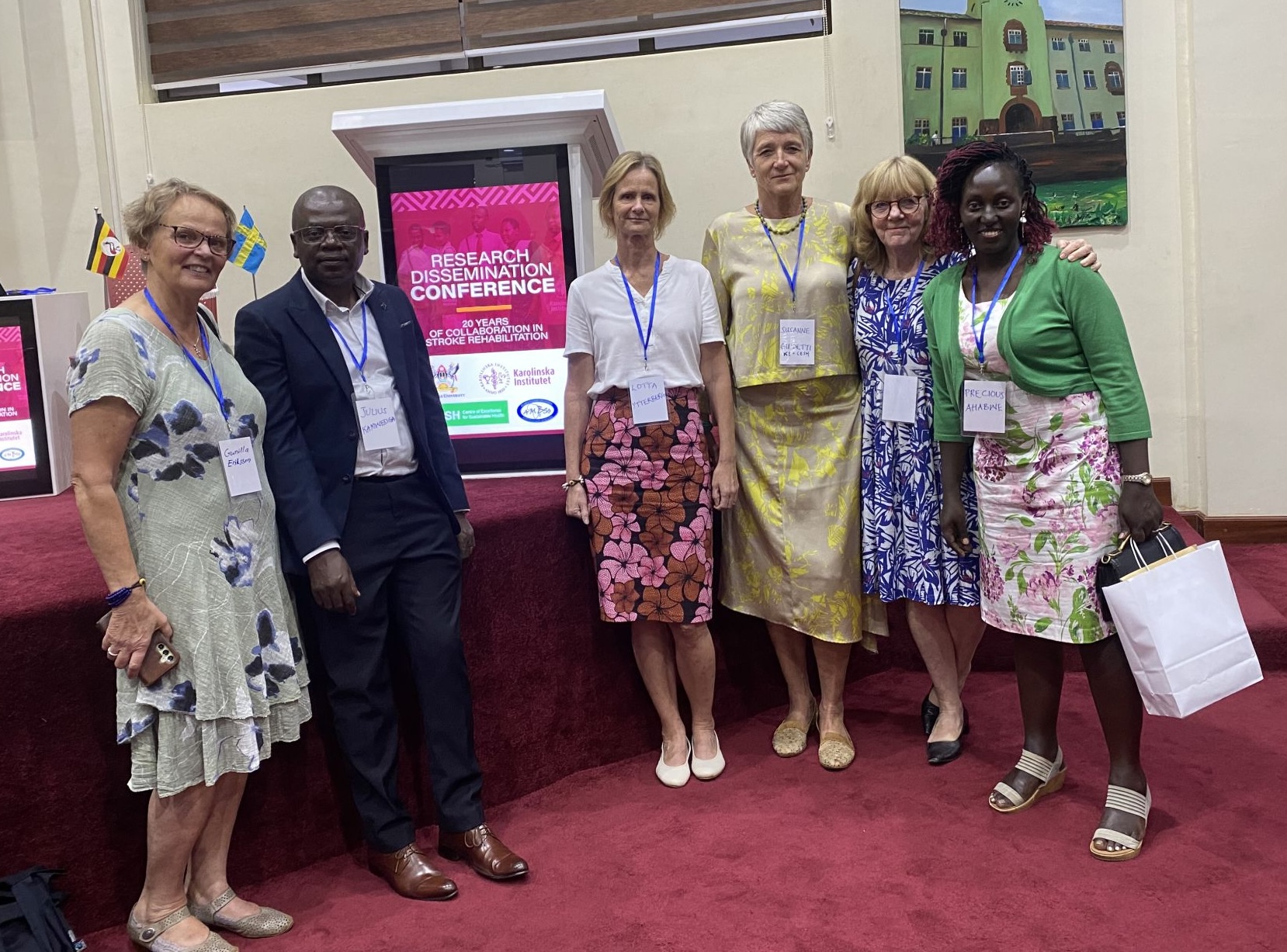
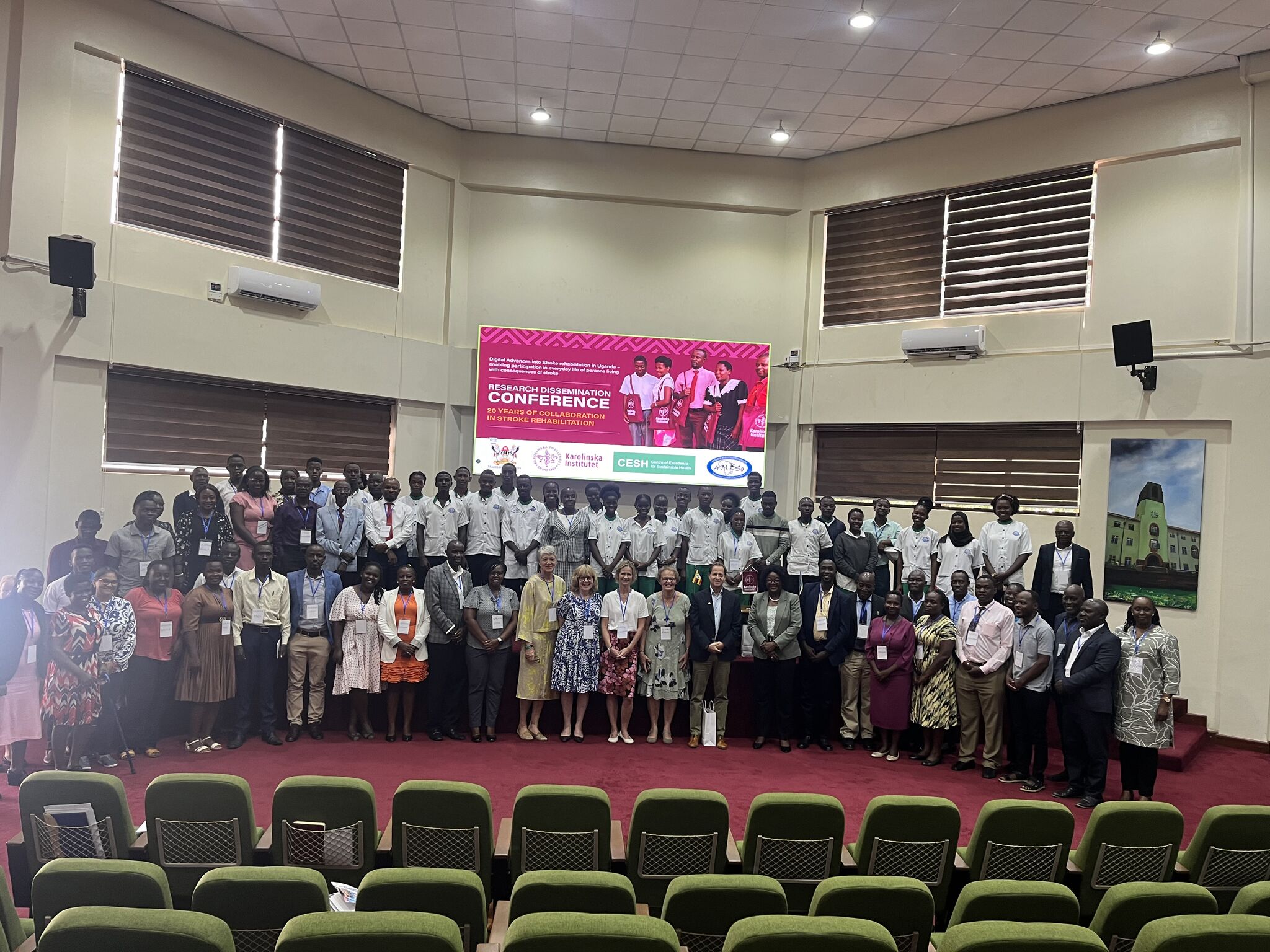
The Research Dissemination Conference marked an important milestone: 20 years of joint collaboration in stroke rehabilitation between Makerere University in Uganda and Karolinska Institutet in Sweden. The event gathered a wide network of partners to reflect on progress, share new findings, and showcase the role of digital innovation in strengthening stroke rehabilitation in Uganda.
The conference was officially opened by Prof. Rhoda Wanyenze, Dean of the School of Public Health at Makerere University, and Tomas Lundström, representing the Swedish Embassy in Uganda. Their remarks highlighted the long-term commitment between the two countries and the shared ambition to advance rehabilitation services and research capacity.
The event brought together a diverse group of participants, including students, teachers, researchers, representatives from the Stroke Association of Uganda, the Stroke Foundation, AMBSO, the NCDs Unit, as well as former stroke patients and their families. Their presence underscored the human impact of stroke rehabilitation research and the importance of co-designing solutions with those directly affected.
Throughout the day, presenters from both Uganda and Sweden shared progress on digital tools and technology-driven approaches that support stroke recovery, follow-up care, and community-based rehabilitation. Discussions centered on how mobile health, remote monitoring, and digital education platforms can improve access to rehabilitation services, especially in resource-constrained settings.
The conference highlighted the achievements of the research team from Karolinska Institutet, working closely with Ugandan colleagues across institutions. This collaboration has contributed to new knowledge, strengthened capacity, and expanded the use of research-based solutions in rehabilitation practice.
The partners emphasized that these accomplishments have been made possible thanks to sustained funding from the Swedish Research Council, whose support over the years has enabled ongoing research, training, and scientific exchange.
The event concluded with reflections on future directions, reinforcing the shared commitment to continue building strong, innovative, and impactful collaborations that improve the lives of people affected by stroke in Uganda and beyond.